Damage & fading
A goodbye at the station
Faded family snapshots
Repair scratches, soften damage, and restore the details in your family’s favorite photos.
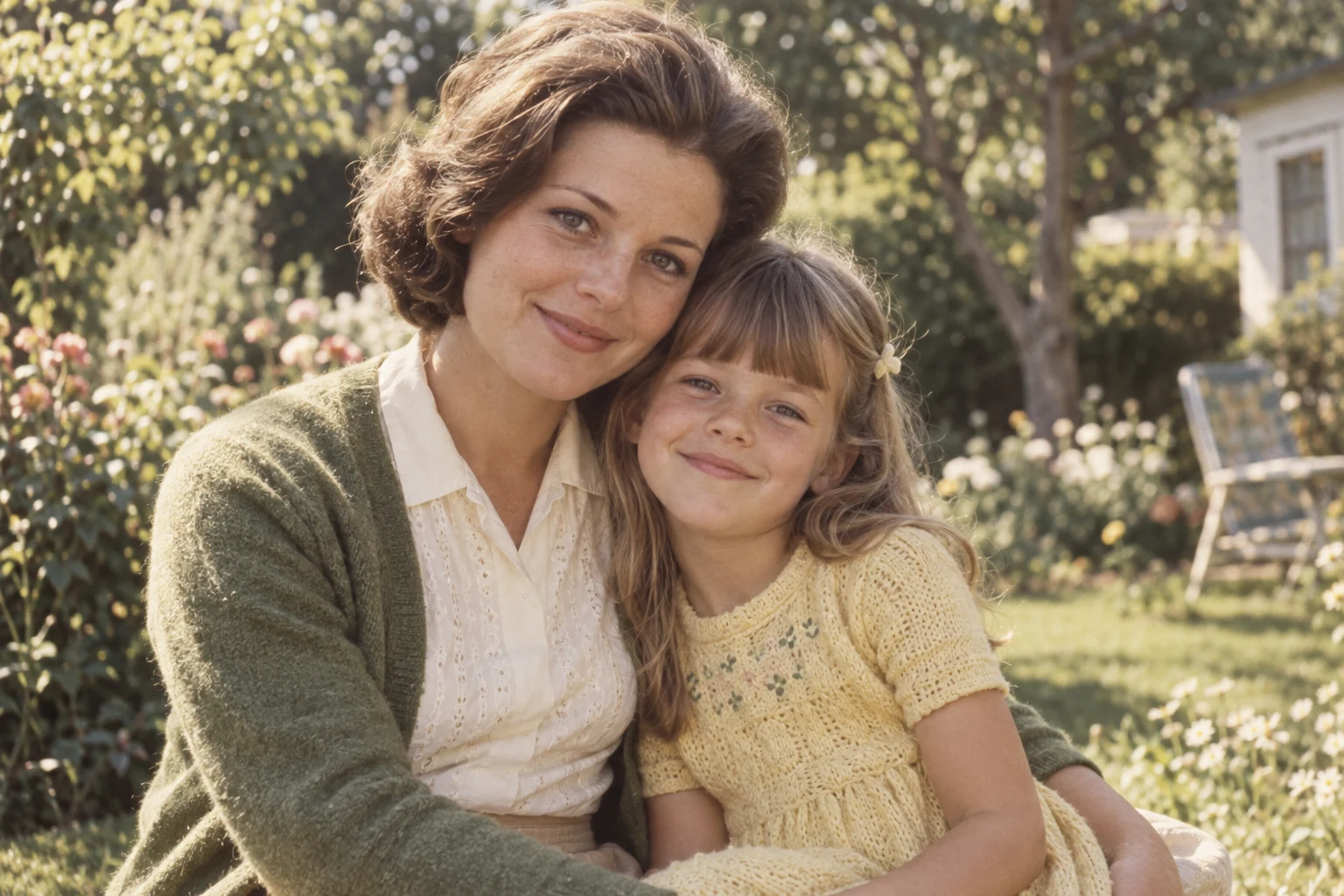
Illustrative comparison · AI-created photo with simulated damage, grayscale or blur
Give a faded or damaged photo a fresh start.
or drop a photo here
JPG, PNG or WEBP · Up to 20 MB
An upload copy is compressed in your browser; your original stays unchanged.
Explore without signing upExplore “A goodbye at the station” and “Grandfather at his workbench”: two illustrative examples of fading and scratches. Open a comparison to see the areas a repair might address.
Faded family snapshots
Scratches & treasured everyday moments
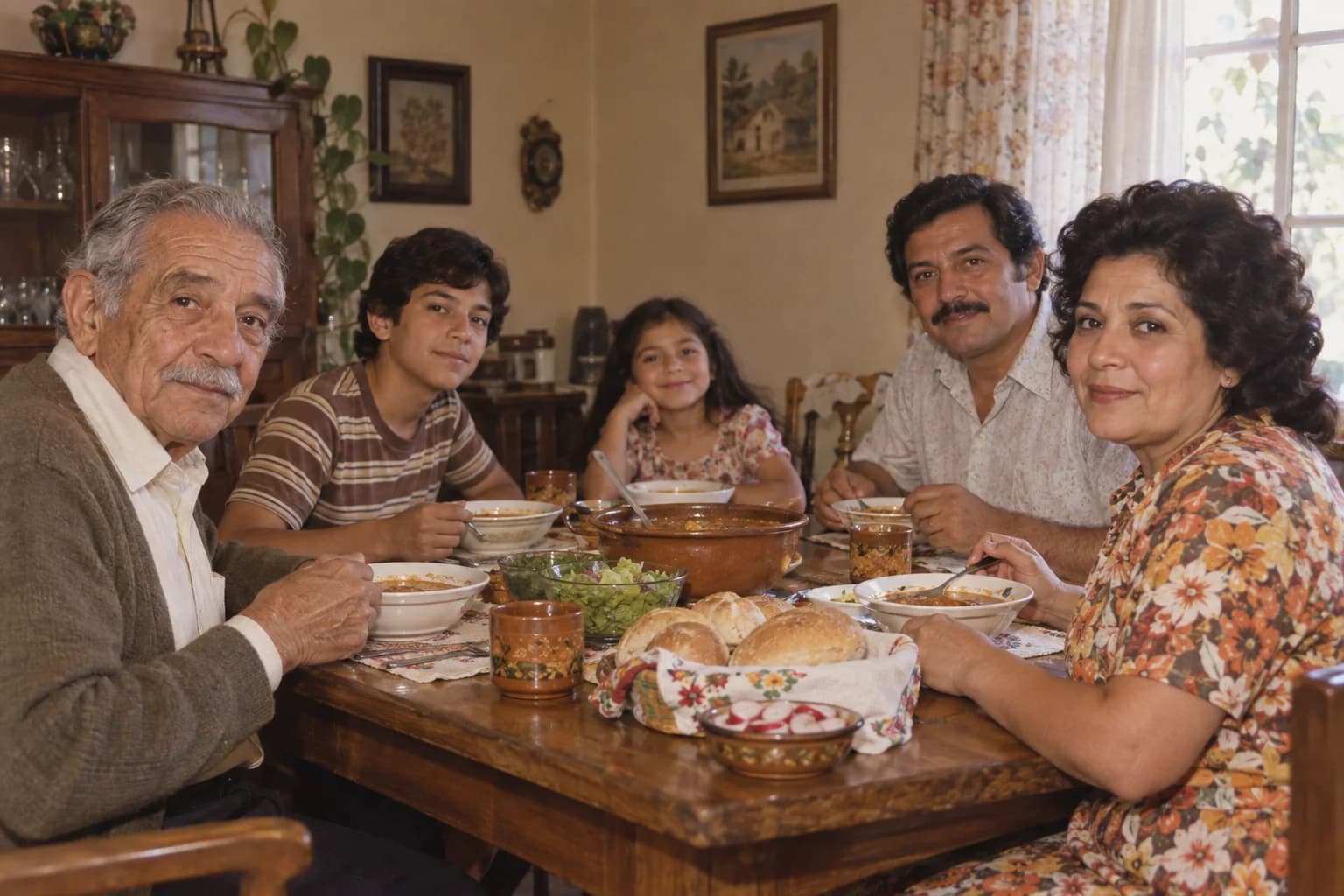
Illustrative examples: AI-created photos with simulated damage, grayscale or blur. These are not tested restoration results.
A little faded, a little scratched, still full of life. Start with what your photo needs.
 01
01Soften scratches, repair visible damage, and bring faded faces back into focus.
Restore a memory 02
02Reimagine black-and-white memories with gentle, believable color.
Explore colorization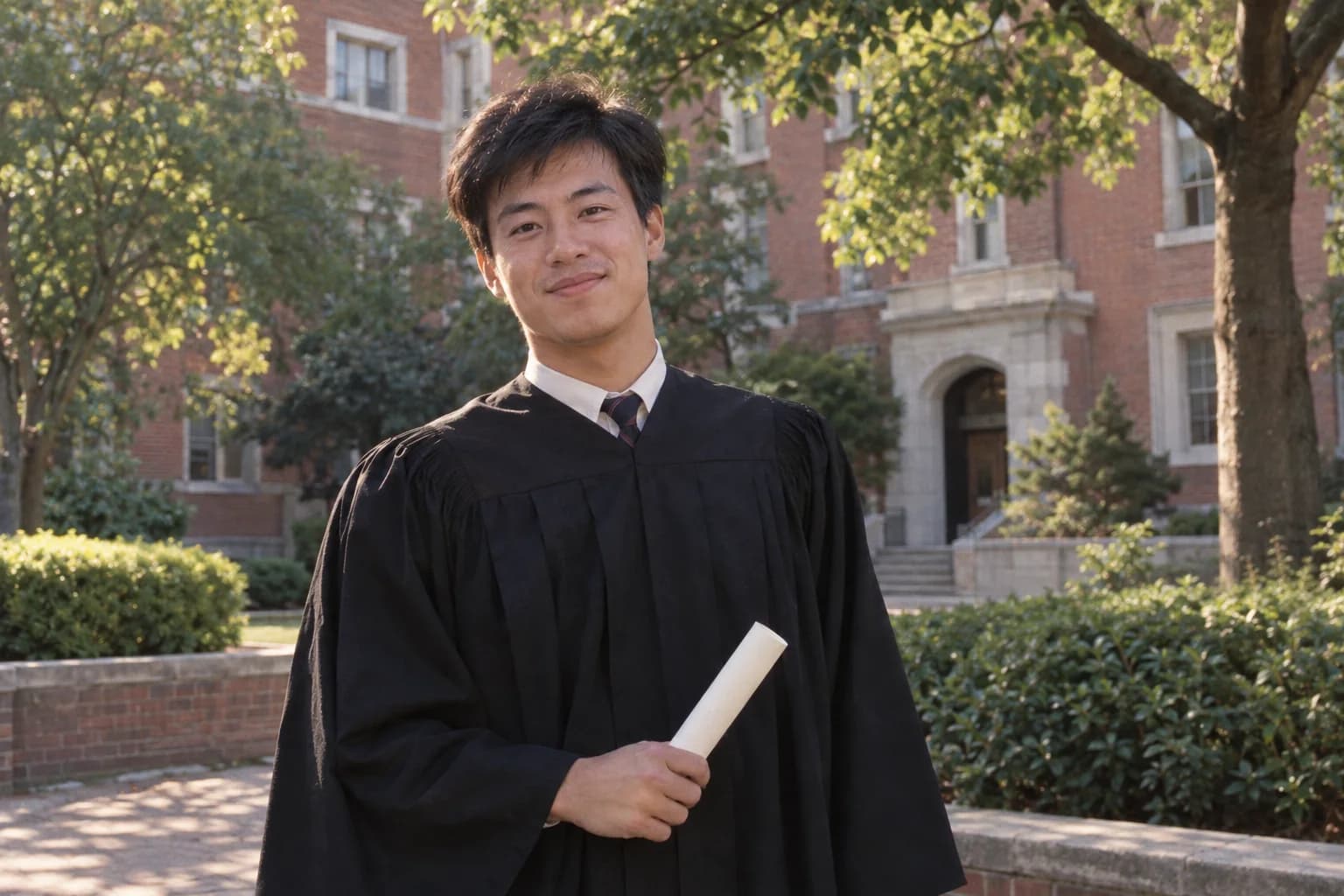 03
03Improve clarity and reduce noise while keeping the character of the original.
Enhance your photoUpload a scan or a clear picture of your printed photo. Your original file stays as it is.
Choose restoration, colorization, or enhancement. Keep the original tones or explore natural color.
Compare both versions with the slider, then download the result you want to keep.
 a little closer to yesterday.
An old photo is more than an image. Our restoration instructions prioritize the original face, expression, and composition. AI can reinterpret missing details, so take a close look before saving.
Restore a photoUse a JPG, PNG, or WEBP up to 20 MB and 25 megapixels. An upload copy is compressed in your browser before processing, with a maximum long edge of 4000 pixels. Your original file stays unchanged.
No. Our example photos were created with AI. Damage, grayscale, and blur are simulated to demonstrate the comparison interface. These are not measured restoration results.
You can upload and preview a photo without signing in. Sign in to start a restoration — each new account includes one free trial restoration, limited to one photo.
Choosing a photo creates a local preview on your device. Only when you start processing and agree to the consent notice is an upload copy sent to our server and the configured AI provider. We keep encrypted processing results in your private account history for 7 days; the original upload is not stored in history. Only your own signed-in account with a verified email address can retrieve saved results. To remove a result sooner, go to My account → Photo history → Delete → Confirm deletion. This removes the result from the live database and prevents further downloads. At 7 days, results become inaccessible automatically. Expired records are cleaned up on service startup and every 15 minutes while it runs; if the service is unavailable, cleanup resumes when it returns. Hosting infrastructure backups, if enabled, follow the provider’s own retention schedule and cannot be accessed through photo history. Deleting history does not delete copies you have downloaded or copies held by the AI provider; that provider’s own data and retention policies still apply.
One separate processing request uses one available credit. Selecting restoration with natural color in the same request uses one credit; restoring a photo and later submitting it separately for colorization uses two. The current new-account trial covers one photo. Daily Free is available to claim. Pay for Pro subscriptions and one-time Credit Packs through PayPal. Prices are $12/month for 200 photos, or $72/year with 200 photos refreshed each month: 6¢ and 3¢ per photo respectively when the full allowance is used. Credit packs are $5/50 photos, $12/132 photos, and $18/270 photos, approximately 10¢, 9.09¢, and 6.67¢ per photo when fully used. Each pack expires 365 days after purchase; no reset.
Restoration instructions prioritize the original face, expression, and composition, but AI may interpret damaged or missing details differently. Start with the natural finish and compare recognizable features, including eye shape, mouth, hairline, and the person’s expression. The detailed finish may reinterpret texture rather than reveal a true missing detail. If the photograph matters to your family, ask someone familiar with the subject to review it. Choose a result for faithfulness, not simply for a smoother face. Always compare the result with your original, especially for heavily damaged faces.
Old photo repair can reduce visible scratches and creases where enough surrounding image remains to guide the reconstruction. A fine line across a background is a different challenge from a wide tear through a face. Results vary with the damage and the quality of the scan or phone capture. Inspect the repaired area rather than judging only the whole image. Completely missing material cannot be recovered with certainty; AI may fill it with a plausible interpretation.
A flatbed scan often gives a more even starting point for restoring old photos, especially when a glossy print reflects light. A phone capture can work if the print is flat, the camera is parallel, and the lighting is even. Avoid flash glare and shadows from your hand. If the first preview hides a face or cuts off a damaged edge, recapture it before processing. AI repair cannot reliably distinguish a new reflection from information already missing on the print.